
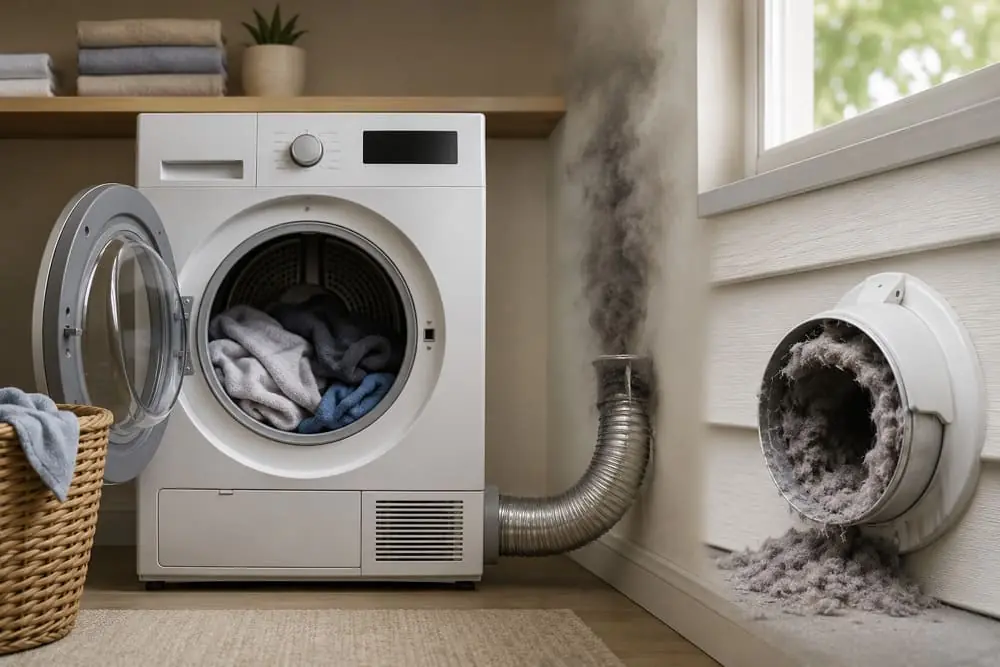
A clogged dryer vent can lead to serious safety hazards and inefficiency in your home. Understanding the signs early helps prevent damage to your dryer and avoids potential fire risks. Regular maintenance is key to keeping your dryer running smoothly.
Recognizing the Warning Signs of a Blocked Dryer Vent
Being aware of the signs that indicate a blocked dryer vent is the first step in preventing damage to your home and appliance. Ignoring these warning signals can lead to serious issues such as fire hazards or expensive repairs. Let’s explore what to look out for and how to check your dryer vent for blockages.
Understanding the Dangers of a Clogged Vent
A clogged dryer vent isn’t just an inconvenience—it’s a potential hazard. When lint builds up inside the vent, it becomes highly flammable. According to the National Fire Protection Association, hundreds of dryer-related fires happen each year in the U.S., many caused by poor vent maintenance.
- A blocked vent traps heat and moisture, creating an unsafe environment inside your laundry area.
- Ignored warning signs like slow drying or unusual smells can lead to major appliance damage.
- Over time, neglecting a dirty vent reduces your dryer’s lifespan and increases energy bills.
How to Inspect Your Dryer Vent for Blockages
Regularly checking your dryer vent helps you catch problems early before they escalate into costly repairs. Here are simple ways to inspect your system for blockages.
Look for Visible Lint Around the Dryer
If you notice lint accumulating around the dryer vent hose or on the floor near the appliance, this could mean the vent is struggling to expel air properly.
Check the Exterior Vent Opening
Go outside and inspect where the dryer vent exits your home. Make sure no debris, leaves, or even animal nests are blocking the opening.
Feel for Airflow Strength
Turn on your dryer and hold your hand near the exterior vent. If you feel weak airflow or no air movement at all, a blockage might be present.
If you notice any of these warning signs, it’s best to contact a professional to avoid further damage or safety risks.
Common Symptoms That Indicate a Dirty Dryer Vent
Identifying the right indicators early helps homeowners address issues before they escalate into major safety concerns or costly repairs. Below are key warning signs to watch for.
Clothes Take Longer Than Usual to Dry
When laundry requires multiple cycles to dry completely, the dryer is often struggling due to restricted airflow. This inefficiency not only wastes energy but also signals a potential blockage in the ventilation system.
Why Your Dryer Struggles to Dry Clothes Efficiently
A clogged vent traps hot, moist air inside the drum instead of expelling it outdoors. Over time, lint buildup restricts airflow, forcing the dryer to work harder and extend drying times significantly.
Unusual Smells Coming from the Dryer
Foul odors, particularly a burning or musty scent, are strong indicators of a dirty vent. These smells result from lint and debris being exposed to high temperatures during operation.
The Risks of Ignoring Strange Odors
Neglecting these smells increases the risk of fire hazards and mold growth. Prompt inspection and cleaning are critical to prevent long-term damage and maintain a safe home environment.
Excessive Heat During Dryer Use
If the dryer becomes too hot to touch while running, the ventilation system is likely blocked. This heat buildup strains the appliance and raises the chance of a fire hazard.
What High Temperatures Signal About Your Vent System
High heat indicates that air cannot escape properly, causing the dryer to overheat. Regular maintenance prevents this dangerous buildup and extends the lifespan of your equipment.
Visible Lint Around the Dryer Area
Lint accumulating near the vent hose or around the dryer itself points to a blockage inside the ventilation duct. This debris spills over when the system is under pressure from restricted airflow.
Spotting Lint Buildup Near the Vent Hose
Excessive lint in these areas suggests a deeper issue within the vent line. Professional cleaning ensures thorough removal and prevents further complications.
How to Check the Dryer Vent Outside Your Home
Inspecting the exterior of your dryer vent helps identify issues before they worsen. Here’s how to approach it.
Locating and Inspecting the Exterior Vent
Identifying Obstructions Like Debris or Animal Nests
The exterior vent, typically located on the side of your house, is a key area for blockages. Debris such as leaves, twigs, or dust can accumulate there, especially during fall or spring. Inspect this area visually, checking for any visible obstructions. Bird nests often build around the vent opening, which can completely block airflow. If you spot debris or nests, remove them carefully using gloves or pliers. Regularly clearing these items ensures your vent stays unobstructed. However, if you’re unsure about the severity of the blockage, it’s wise to contact a professional for a thorough check. Ignoring these signs can lead to bigger problems down the line, like increased energy bills or even fire hazards.
Checking Airflow from the Outside Vent
Why Reduced Airflow Matters
To test airflow, run your dryer and place your hand near the exterior vent. You should feel warm air blowing out consistently. If the airflow feels weak or absent, your vent may be clogged. Reduced airflow not only makes your dryer work harder but also increases fire risks. This is especially true if you notice lint buildup around the vent area inside your home. A blocked vent forces the dryer to overheat, potentially damaging internal components. While basic cleaning can help, persistent airflow issues may require expert intervention. Don’t hesitate to reach out to a professional if you suspect deeper problems, as they can identify hidden issues and ensure your vent is fully functional.
The Importance of Cleaning Your Dryer Vent Regularly
Steps to Clean the Dryer Vent Duct
Start by disconnecting the dryer from its power source. Use a vent brush or vacuum to remove lint from inside the duct, ensuring no obstructions remain. For hose-connected vents, detach the hose carefully and clean both ends thoroughly.
Removing Lint from the Vent Hose
Gently pull the vent hose away from the wall connection. Insert a flexible brush to dislodge accumulated lint, then vacuum out any remaining debris. Inspect the hose for cracks or damage that could worsen airflow issues.
Cleaning the Dryer’s Lint Trap and Vent Connection
Remove the lint trap and wash it with warm soapy water. Check the area around the lint trap for hidden lint buildup. Reconnect the vent hose securely to prevent future blockages.
Avoiding Common Mistakes When Cleaning the Vent
Don’t use compressed air to push lint further into the system. Avoid using sharp objects that could puncture the hose. Regular maintenance keeps your dryer running efficiently and safely.
When to Call a Professional for Vent Cleaning
For extensive buildup or complex vent setups, hire a licensed technician. They can ensure thorough cleaning and identify any hidden damage. This step prevents fire risks and prolongs your dryer’s lifespan.
Understanding the Role of the Dryer Vent in Safety and Efficiency
How a Clogged Vent Affects Your Dryer’s Performance
The Connection Between Poor Ventilation and High Energy Bills
When lint and debris accumulate inside the ductwork, your dryer must work significantly harder to complete each load. This restriction in airflow prevents hot, moist air from escaping properly, causing the machine to run for extended periods. Instead of drying clothes efficiently, the appliance consumes excessive electricity or gas just trying to circulate air. Over time, this leads to noticeably higher monthly utility bills as the unit operates at reduced efficiency.
Additionally, the motor and heating elements endure unnecessary strain, which can shorten the lifespan of your appliance. A properly vented system ensures that heat is expelled quickly, allowing the dryer to cycle normally and maintain optimal performance levels without wasting resources.
Preventing Fire Hazards by Keeping the Vent Clear
The Real Risks of Ignoring a Dirty Dryer Vent
- Lint is Highly Flammable: Accumulated lint inside the vent hose or wall cavity serves as prime fuel for fires. If the dryer generates enough heat, these materials can ignite easily.
- Heat Buildup: A blocked vent traps heat inside the system, increasing the temperature around the dryer and nearby walls. This creates a dangerous environment where accidental ignitions become more likely.
- Professional Cleaning Prevents Disasters: Since most homeowners cannot fully access deep ductwork or remove heavy debris, hiring a licensed technician ensures thorough cleaning and reduces fire risk significantly.
Ignoring these signs not only endangers your family but may also void your homeowner’s insurance coverage in the event of a fire. Regular maintenance by a qualified repair service helps identify potential hazards before they escalate into serious incidents.
FAQs About Dryer Vent Maintenance
Common questions help homeowners understand vent care and safety needs.
How Often Should I Clean My Dryer Vent?
Factors That Influence Cleaning Frequency
Most experts suggest cleaning the vent at least once a year. However, families with pets, large households, or longer vent runs may need more frequent attention. Lint builds up faster when dryers run often, increasing fire risks if ignored. Regular checks every few months can prevent costly damage.
Homeowners using electric or gas dryers should consider seasonal maintenance. Spring and fall inspections catch blockages early. Homes in dusty areas or with older appliances also face higher risks. Staying ahead of lint buildup saves money and keeps your home safer.
Can I Clean the Vent Myself or Should I Hire Help?
When DIY Cleaning Falls Short
Simple vacuuming works for basic lint removal. But clogs deep in long or curved vents often need professional tools. DIY methods sometimes miss hidden buildup, leaving fire hazards behind.
If you notice slow drying or strange smells, a blocked vent likely needs expert handling. Technicians use specialized brushes and high-powered vacuums to clear tough blockages. They also inspect for damage or poor vent design that increases risk.
What Happens If I Ignore a Clogged Dryer Vent?
The Long-Term Costs of Neglect
Ignoring vent issues leads to higher energy bills and a shorter dryer lifespan. Lint accumulation causes overheating, which strains internal parts and increases repair costs. In worst cases, it can trigger home fires that destroy property and put families at risk.
Neglect also voids manufacturer warranties in some cases. Insurance claims may be denied if maintenance was overlooked. Staying proactive with vent care protects your home and budget over time.