
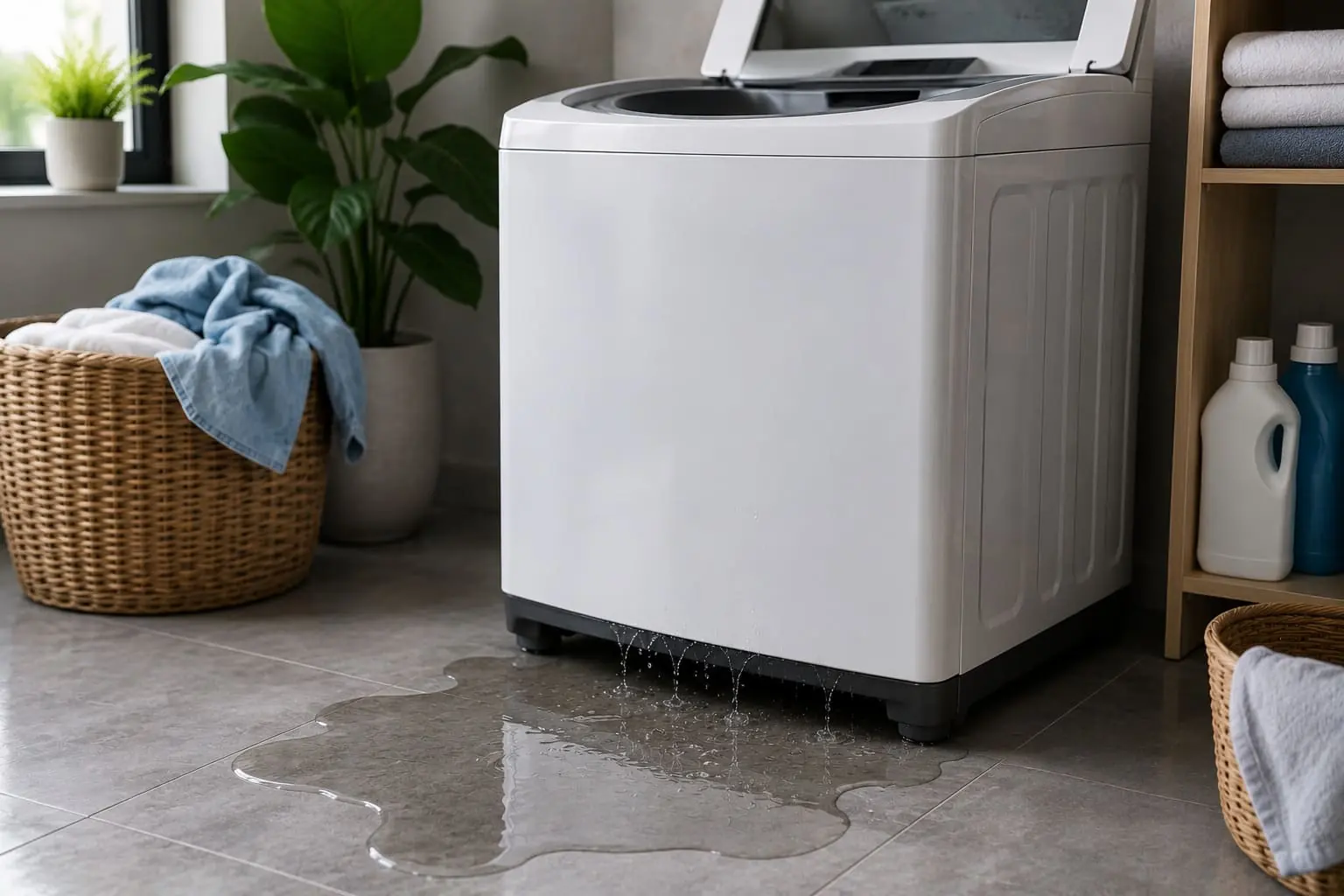
Experiencing a leak from the bottom of your top loading washing machine can be frustrating and stressful. Various issues, such as damaged seals or faulty water inlet hoses, may lead to this problem.
For instance, if you own a Samsung washing machine leaking from bottom during the spin cycle, it’s crucial to understand the potential pitfalls before they escalate. Professional assessment can save you time and prevent further damage to your appliance.
Common Causes of Bottom Leaks in Top Loading Washing Machines
Top loading washing machines are convenient appliances that can sometimes present issues, such as leaking from the bottom. Understanding the potential causes of these leaks can help in pinpointing the source of the problem, ultimately leading to effective solutions. The following sections delve into the common reasons why a top loading washing machine may leak from the bottom.
Issues with Water Inlet Hoses and Connections
One prevalent cause of leaks is related to water inlet hoses. If these hoses are incorrectly installed, loose, or damaged, they can lead to significant leaking issues. Over time, hose wear and tear can also result in cracks or ruptures, causing water to escape during operation. Conducting a thorough inspection of these hoses and their connections is crucial, as maintaining their integrity can prevent water from pooling underneath the washing machine.
Obstructions in Filters and Pumps
Filters and pumps are vital for proper drainage in washing machines. If these components become obstructed by lint, debris, or other materials, they can hinder drainage, causing water to back up and leak from the bottom of the unit. Regular cleaning and maintenance of filters are advisable to keep the washing machine performing optimally and to prevent leakage problems.
Drum Damage and Structural Problems
Drum damage, such as holes or cracks, can also result in water leaks at the base of the washing machine. Structural integrity issues may arise from overloading the washer or wear and tear over time. Careful inspection of the drum for any signs of damage is essential in identifying if this component is responsible for leaking water.
Load Imbalance Effects on Leakage
A common oversight occurs when the load inside the washing machine is improperly balanced. An unbalanced load can lead to excessive vibrations, causing the machine to shift and possibly loosen connections, which might ultimately lead to leaks. Ensuring that loads are evenly distributed can help mitigate this risk.
Condensation vs. Actual Leaks
In some scenarios, what appears to be a leak may actually be condensation, particularly in humid environments. This phenomenon can confuse owners into thinking there is a structural problem when, in reality, the moisture is transient and not indicative of a significant issue. Recognizing the difference between condensation and an actual leak is important in determining whether professional intervention is necessary.
Samsung Washing Machine Leaking from Bottom During Spin Cycle
The issue of a Samsung washing machine leaking from the bottom during the spin cycle is particularly concerning for homeowners. The spin cycle generates significant vibrations and movement, which can exacerbate existing issues that lead to water leaks. Understanding the specific causes of these leaks in Samsung models is essential for diagnosing and addressing the problem accurately.
Specific Faults Leading to Bottom Leaks in Samsung Models
Certain faults are inherent to Samsung washing machines that may result in leaks during operation. Commonly, a faulty door seal can allow water to escape, particularly when the machine is spinning at high speeds. Over time, wear and tear on these seals may not be immediately visible, resulting in slow leaks that can lead to larger issues beneath the machine. Additionally, malfunctions in the water inlet valve can contribute to water pooling at the bottom, especially during the spin cycle when the pressure is exerted most. If the valve fails to close properly, it can leak even when water is not being actively drawn into the machine.
How Spin Cycle Dynamics Affect Leak Points
The dynamics of the spin cycle involve rapid rotation and intense centrifugal force, which can reveal or exacerbate weak spots within the washing machine. High-speed spinning creates a more aggressive environment that may cause existing flaws—such as damaged seals or loose connections—to become more pronounced. As the tub rotates, the force can increase the likelihood of water spilling over if there are any obstructions or misalignments in the drum assembly. Vibrations created during this phase can also shake loose debris, which may lead to further leakage through previously undetected cracks or gaps.
Identifying Samsung Model Vulnerabilities
Different Samsung washing machine models may exhibit specific vulnerabilities that lead to leaks. Continuous research and feedback from users have highlighted certain models that are more prone to leaking during spins. Identifying these models is critical for understanding risk factors associated with leaks. For instance, certain technological features in Samsung washers, intended for energy efficiency, may inadvertently contribute to mechanical failures during the spin cycle. Homeowners should be aware of these model-specific issues, as they may require targeted interventions that are best handled by a trained technician.
For those experiencing recurrent problems with a Samsung washing machine leaking from the bottom during the spin cycle, consulting a professional repair technician is strongly advised. Diagnosing the exact cause of the leak can prevent further damage and ensure that corrective measures are taken promptly and effectively.
When to Call a Professional Repair Technician
For homeowners dealing with a top loading washing machine leaking from bottom, it can sometimes be difficult to determine whether to attempt a DIY repair or to call a professional. While some issues may appear minor and manageable, others can signal deeper problems that require expert attention. Understanding the following points can help in making that decision.
If the leak appears unexpectedly and becomes progressively worse, it’s essential to consult a technician immediately. Continued use of the washing machine in such a state can lead to greater water damage or further complications within the appliance. Highlighted below are specific situations when seeking professional help is warranted:
- Persistent Leaking: If the leaking continues despite attempting minor fixes or checking common issues like hose connections and seals, it’s time to call a professional.
- Complex Diagnoses Needed: If there is suspicion of issues like drum damage or obstructions in the pump that require expertise to diagnose, professional evaluation is essential.
- Samsung Models Underperformance: For those specifically dealing with a Samsung washing machine leaking from bottom during spin cycle, the complexities of these models often require specialized knowledge for proper servicing. Unique faults may influence high-pressure conditions leading to leaks.
- Electrical Considerations: If any leaking is suspected to be near electrical components, safety becomes a priority. Contacting a technician can prevent electrical hazards from escalating.
- Time and Convenience: If scheduling repairs or assessing the problem ties up valuable time that could otherwise be spent on other priorities, utilizing a technician’s services provides peace of mind and frees up personal time.
Understanding when to engage a professional repair technician can save not only time but potential costs associated with extensive damage caused by negligence. If there are indications that the situation is beyond simple adjustments and the leak persists or worsens, placing a call to an expert is the safest course of action. With their specialized skills and experience, professionals can diagnose and address any underlying issues effectively, ensuring that your washing machine operates safely and efficiently again.