
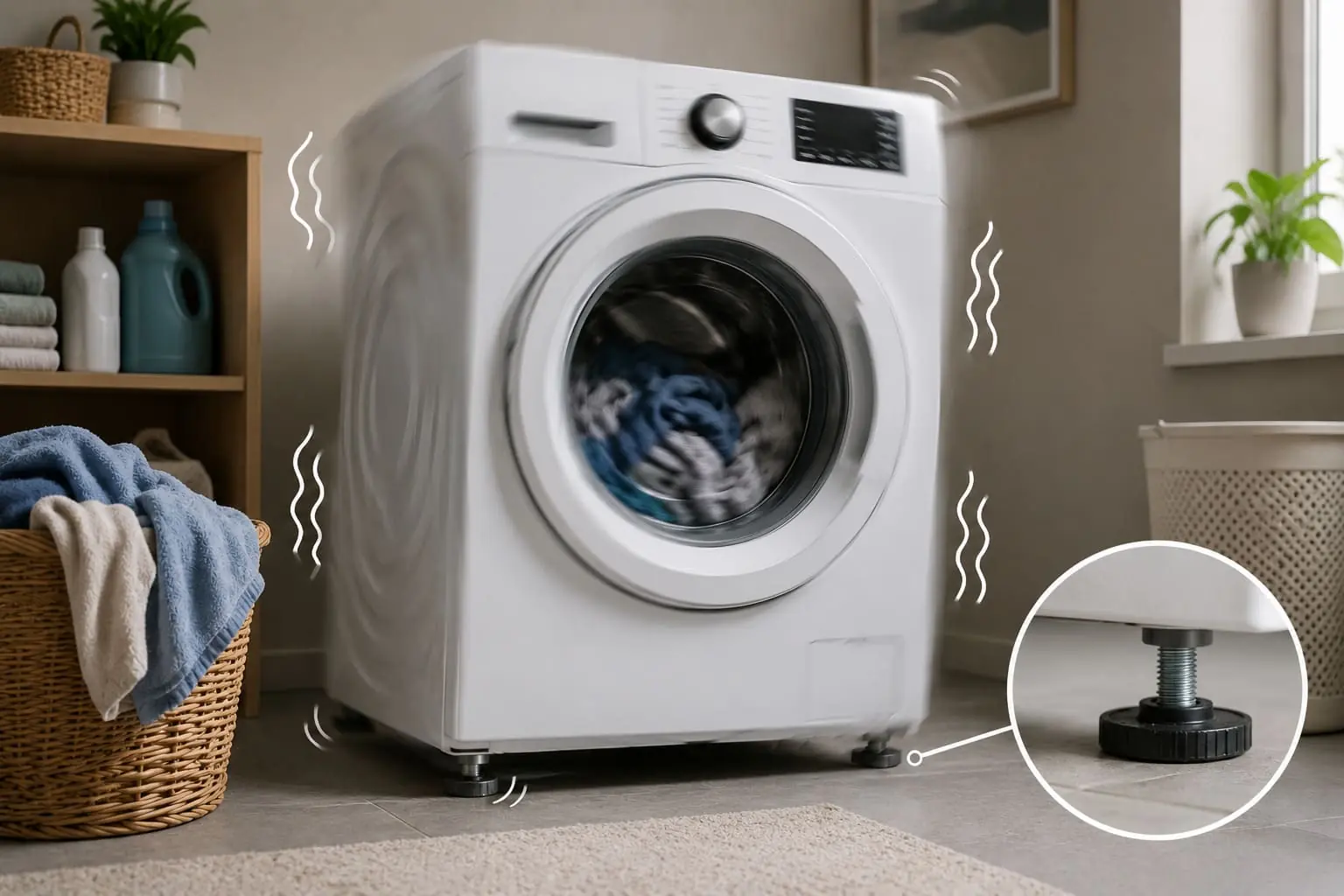
A shaking washing machine can be more than just a nuisance; it may signal underlying issues that need attention. If you’ve noticed your washer vibrating violently and moving around, it’s essential to understand what could be causing this unsettling behavior.
In this article, we’ll explore common causes of washing machine shaking and offer insights into why taking prompt action is crucial. Identifying the problem early can prevent further damage and costly repairs down the line.
Common Causes of Washing Machine Shaking and Vibrations
The issue of a shaking washing machine—particularly when it exhibits violent movements—can often be traced back to several common causes. Understanding these factors is essential for identifying the root of the problem, which can lead to potential damage if not addressed promptly. Here are the primary reasons your washing machine may be shaking or vibrating excessively.
Unbalanced Load and Its Effects
One of the leading culprits of washing machine vibrations is an unbalanced load. When heavier items like towels or blankets are packed on one side of the drum, it creates a significant imbalance during the spin cycle. This uneven distribution can cause the machine to shake violently and even move from its original position. In cases where the washer is shaking violently and moving, checking the load for balance is often the first logical step.
Washing Machine Not Level and How It Affects Stability
A level washing machine is integral to its operation. If the feet of the machine are misaligned, even a slight tilt can exacerbate vibrations, especially during high-speed spins. A washing machine that is not level may cause vibrations to resonate throughout your home, making it crucial to ensure proper leveling to avoid more severe issues down the line.
Weak or Uneven Floor Support
The foundation of a washing machine’s stability lies with the floor beneath it. Weak, uneven, or damaged flooring can amplify vibrations, leading to a shaking washer. If the surface is not sturdy or uniform, it can result in excessive movement during operation, increasing the chance of not only disturbing the household but also causing wear and tear on the machine itself.
Transport Bolts Still Installed in Front-Load Washers
For front-load washers, transport bolts play a vital role during shipping. Failing to remove these bolts before the first use can lead to significant vibrations during the spin cycle. These bolts are designed to stabilize the drum, and keeping them installed leads to improper function, often resulting in the machine shaking violently and moving across the floor.
Worn Suspension Components That Cause Excessive Movement
The suspension system of a washing machine, consisting of rods and dampers, is responsible for stabilizing the drum during operation. Over time, these components can wear out, resulting in excessive movement and vibrations. When this happens, the machine may shake unusually, which can result in potential damage to both the washing machine and the surrounding area.
Drum Support Components and Bearing Wear
Similar to the suspension, the drum support components, including springs and bearings, are crucial for maintaining balance during operation. If these parts become worn, they can lead to increased friction and abnormal drum movement. This wear can significantly contribute to the machine shaking excessively, compounding the likelihood of requiring professional intervention to restore its normal function.
Why Is My Washing Machine Shaking Violently and Moving?
Experiencing a washing machine that shakes violently and moves across the floor can be a source of frustration and concern. Understanding the underlying reasons for this issue is essential for anyone wanting to maintain the longevity and efficiency of their appliance. A combination of factors often contributes to the violent shaking and movement observed during operation.
Combined Issues Leading to Violent Shaking and Movement
When a washing machine exhibits excessive shaking and movement, it is commonly due to a combination of problems rather than a single factor. An unbalanced load is frequently the initial culprit, where the distribution of laundry within the drum is uneven. This imbalance can lead to an increase in centrifugal force during the spin cycle, resulting in excessive vibrations. Additionally, if the washing machine is not properly leveled, even minor discrepancies in the feet can exacerbate these movements, leading to a situation where the machine appears to ‘walk’ across the floor.
Diagnosing and Addressing “Walking” Washing Machines
Diagnosing a ‘walking’ washing machine requires careful observation of the operating conditions. If the machine consistently moves during the spin cycle, checking for a level surface and ensuring no transportation bolts remain installed is crucial. Addressing an unbalanced load by redistributing laundry and ensuring that the weight is evenly spread can also help. However, persistent movement may indicate more serious issues, such as worn suspension components that are unable to support the drum effectively.
Noise Indicators: Knocking and Thumping Sounds
Accompanying vibrations are often distinctive sounds that can serve as indicators of underlying problems. Knocking and thumping noises during operation suggest that the drum is hitting other parts of the machine, which can happen when the machine is misaligned or if internal components are damaged. These sounds can be alarming and may intensify as the spinning speed increases. Recognizing these auditory signals can prompt timely action to prevent further damage.
When to Contact a Professional Technician
Recognizing when to seek professional assistance is key to preserving the functionality of a washing machine. If the shaking and movement persist despite attempts to balance the load and ensure proper leveling, or if unusual noises are heard, it is advisable to consult a technician. Issues such as worn suspension or support components may require expert evaluation and repair to avoid exacerbating the problem and incurring higher repair costs in the future. Prompt action can safeguard the appliance and enhance its operational efficiency.
Troubleshooting Related Washing Machine Problems
Addressing common issues with washing machines is essential to maintain their longevity and functionality. Unresolved vibrations, such as those caused by your washing machine shaking violently and moving, can lead to more significant problems if not addressed promptly. Here are some related issues to be aware of:
Why Is My Washing Machine Not Draining the Water
If a washing machine is shaking excessively during the spin cycle, it might not be draining water correctly. This issue can cause imbalance, exacerbating the shaking problem. Clogs within the drain hose, a faulty pump, or even a malfunctioning lid switch can prevent proper draining. Without effective drainage, water can accumulate, creating additional weight and throwing off the balance of the load.
Washing Machine Not Spinning Water Out: Possible Causes
When the washing machine fails to spin out water, it often leads to a heavy, imbalanced load that can contribute to shaking and vibrations during operation. Possible causes include:
- A broken drive belt that fails to engage the spin cycle.
- A malfunctioning motor that cannot handle the load.
- Issues with the washing machine’s lid switch, which must be functioning for the spin cycle to activate.
If these underlying issues are not resolved, they could not only result in persistent shaking but could also lead to more severe mechanical failures.
Washing Machine Pump Problems and How They Impact Operation
The washing machine pump is crucial for removing water effectively. If the pump is faulty or clogged, it can hinder drainage and cause excessive movement during the spin cycle. A defective pump can lead to water buildup, resulting in added weight and further imbalance. This creates a vicious cycle of shaking that could cause damage to other components if not promptly inspected and repaired.
Preventative Tips to Avoid Future Shaking and Operational Issues
While taking measures to prevent shaking issues, consider these preventative tips:
- Evenly distribute loads in the washing machine; avoid washing heavy items alone.
- Regularly inspect your washing machine for wear and tear, especially after moving or installation.
- Refer to a professional for maintenance checks, particularly if you previously encountered issues with shaking or drainage.
Ignoring these signs may lead to more considerable damage, thus it’s advisable to consult with a technician to address any serious problems. Effective repairs can prevent further complications, ensuring the appliance functions correctly.