
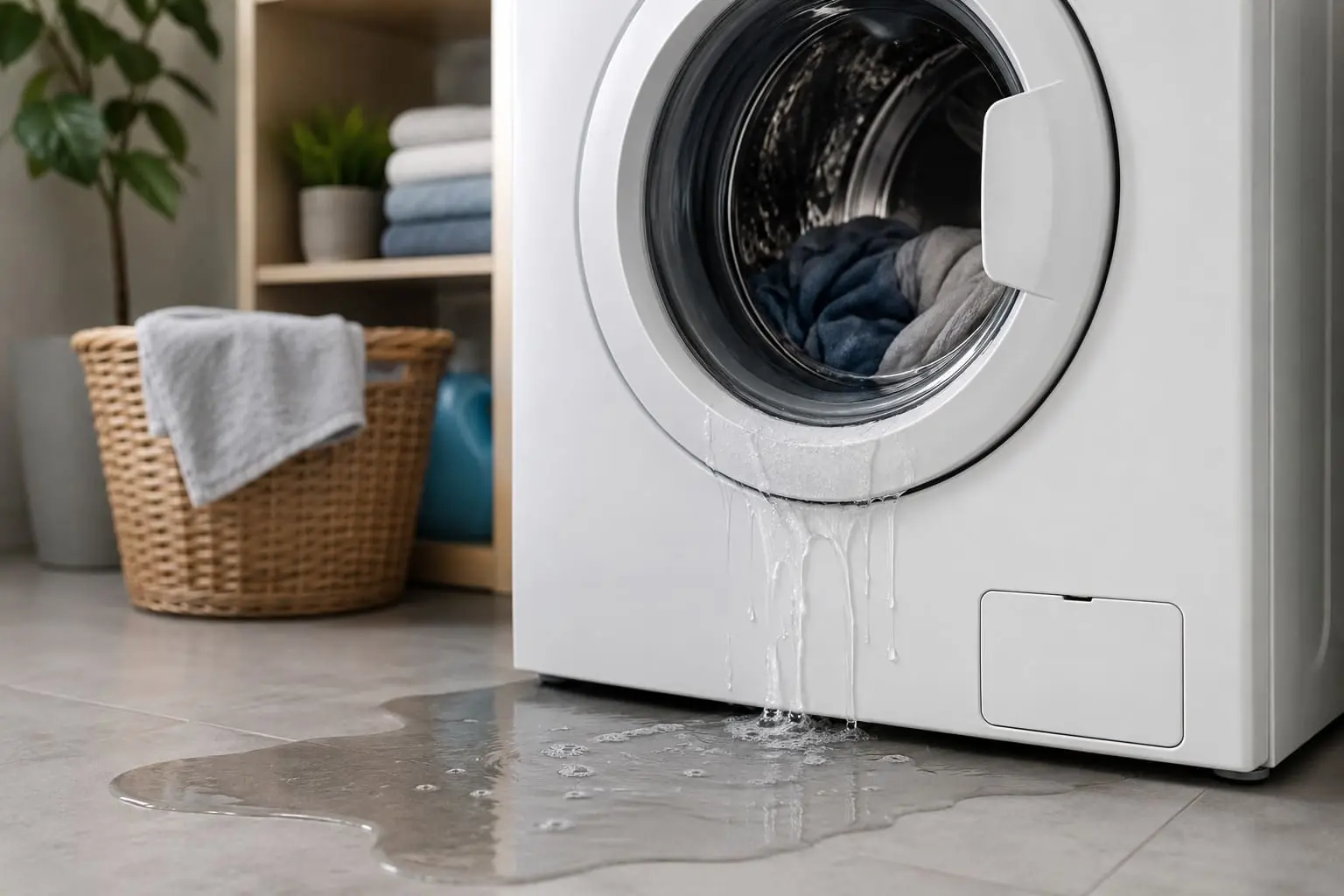
If you’ve noticed water pooling around your laundry area, you may be wondering why your washing machine is leaking from the door. This issue can stem from several underlying problems that, if left unresolved, could lead to more significant damage.
Common Causes of Washing Machine Leaks
Washing machine leaks can be a frustrating experience, and identifying the cause is crucial for preventing further damage. Several common issues may lead to a washing machine leaking from the door or other areas. Understanding these causes can help you recognize warning signs and seek professional assistance soon.
Leaking from the Door Seal
One of the most frequent reasons for a washing machine leaking is a compromised door seal. Over time, the rubber gasket can become brittle, crack, or accumulate dirt and detergent build-up, preventing it from forming a proper seal. If the seal is not working correctly, water can escape during a wash cycle, leading to visible leaks. Regular inspection and maintenance of the door seal can prevent these issues, but if the damage is significant, it may require replacement.
Faulty Water Inlet Valve
The water inlet valve controls the flow of water into the washing machine. If this valve is malfunctioning, it may not shut off properly, causing water to leak. Common symptoms of a faulty inlet valve include:
- Consistent dripping from the valve area.
- Inability to stop water flow when the machine is off.
- Unusual sounds during the filling cycle.
Such issues typically signal the need for professional repair or replacement to avoid further complications.
Damaged or Loose Hoses
Another common culprit behind washing machine leaks is damaged or loose hoses. Hoses that connect the water supply to the machine, as well as the drain hose, can wear out over time due to pressure, age, or improper installation. If these hoses become loose or develop holes, water can escape, leading to leaks. Regularly checking hose connections and inspecting them for wear can help identify potential problems before they escalate.
Issues with the Detergent Drawer
A malfunctioning detergent drawer can also lead to water leaks. Clogs or blockages may prevent water from properly flowing through the dispenser, causing it to overflow. Additionally, if the drawer is damaged or improperly aligned, it may not seal correctly, leading to leaks. Maintaining a clean detergent drawer and ensuring proper placement can mitigate these issues, but persistent problems may signal the need for expert intervention.
Problems with the Drain Pump
The drain pump’s primary function is to remove water from the washing machine after a cycle. If this component fails, it can cause water to accumulate and leak from various parts of the machine. Signs of drain pump issues often include strange noises during operation, failure to drain, or visible leaks. Addressing drain pump problems early on can save homeowners from larger water damage costs down the line.
Diagnosing Leaks Around the Washing Machine
Identifying the source of leaks from a washing machine can be a challenging task, particularly if the leaking water is not easily visible. Various areas around the machine need to be examined to determine where the leak is originating. Proper diagnosis is crucial to prevent further damage and to fix the issue effectively.
Identifying Leak Locations
Begin by inspecting the vicinity of the washing machine to see where the water is pooling. Common leak locations include:
- Underneath the machine, often caused by faulty hoses or a damaged drain pump.
- From the door area, which might indicate problems with the door seal or incorrect loading.
- Near the detergent drawer, where clogs or malfunctions may lead to leaks.
Observing the machine during a wash cycle can also provide clues. If the washing machine is leaking from the door during operation, it may point to specific issues with the door seal or an overloaded tub.
Checking the Tub and Drum for Cracks
A cracked tub or drum can lead to serious leaking problems. Inspect the interior of the washing machine for any visible cracks or damage. A cracked drum can release water during the spin cycle, often unnoticed until a significant amount has escaped. If cracks are suspected, contacting a professional for a thorough assessment is essential, as these types of issues typically require specialized repairs.
Effects of Overloading and Improper Installation
Overloading a washing machine can lead to various issues, including leaks. When too many items are placed inside, the machine may struggle to operate effectively, which can result in:
- Increased stress on seals and hoses, leading to wear and potential leaks.
- Imbalanced loads causing abnormal movements that could dislodge hoses.
- Incorrect drainage and water backup, especially if the machine is not level.
Improper installation, such as not leveling the washing machine or failing to secure the hoses correctly, can also contribute to leaks. If there are doubts about the installation, it’s prudent to have an expert evaluate the situation to prevent damage that could lead to extensive repairs.
Understanding Washing Machine Leaking from Door
A leaking washing machine can be a frustrating issue, especially when the source of the leak appears to be the door. Understanding the underlying causes of this problem is crucial for homeowners. When a washing machine is leaking from the door, several factors can contribute to this situation, making it important to assess the machine thoroughly.
Causes Behind Door Seal Leaks
The door seal, or door gasket, is designed to create a watertight barrier during the washing cycle. Over time, wear and tear, along with improper maintenance, can lead to leaks. One common cause is the accumulation of detergent and fabric softener residue around the seal, which can degrade its integrity and lead to leaks. Additionally, if the seal is torn or has visible cracks, water can escape easily during operations. Another factor might be the misalignment of the door itself; if the door doesn’t close properly, it can also lead to water leakage. Homeowners should be cautious about loading the washer correctly, as overloading can put additional strain on the seal.
Signs You Need Professional Repair
While minor leaks might be manageable, certain indications suggest that professional attention is necessary. If the leaking persists despite cleaning the seal or adjusting the door, this could mean that the door gasket needs replacement or there may be a more serious issue. Additional signs include the presence of water pooling at the base of the washing machine or water seeping during every wash cycle, which indicates that the problem is worsening. It is advisable to consult a professional repair service when leaks appear consistently, as they can identify the underlying causes more accurately and address them effectively.
Risks of Ignoring Door Leaks
Ignoring a washing machine that is leaking from the door can lead to multiple risks, including structural damage to the surrounding area from prolonged moisture exposure. Furthermore, repeated exposure to water can lead to electrical hazards, mold growth, and deterioration of the machine’s internal components. Below is a table outlining some of the potential risks associated with ignoring door leaks:
| Risk | Description |
| Structural Damage | Prolonged exposure to water can damage flooring and cabinetry. |
| Mold Growth | Moist environments promote fungal growth, potentially affecting health. |
| Electrical Hazards | Water exposure increases the risk of electrical malfunctions and fires. |
| Increased Repair Costs | Delaying repairs can result in higher costs as damage escalates. |
Recognizing the implications of a leaking washing machine door is essential to ensure safety and prevent further issues. Contacting a professional for assistance is often the best course of action when faced with this dilemma.