
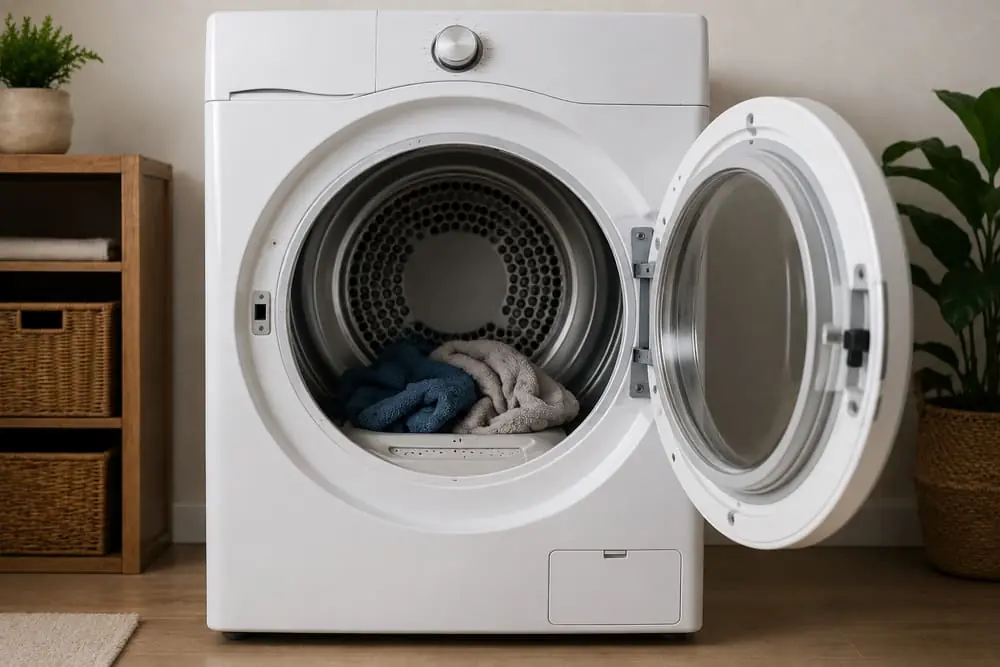
A dryer that runs but fails to heat up is a common household issue. It often points to problems with the heating element, thermal fuse, or electrical supply. While some causes are simple, others require professional diagnosis to avoid safety risks.
Why Is My Dryer Running But Not Heating Up?
When your dryer runs but fails to generate heat, it often signals a complex issue beyond simple clogs or maintenance oversights. While this problem may seem isolated, it typically stems from failures in electrical components, internal safety mechanisms, or even external power supply disruptions. Understanding these root causes can help determine whether a professional diagnosis is necessary.
A common culprit is the heating element, which generates warmth through electrical resistance in a coiled wire. Over time, repeated expansion and contraction can cause fractures or short circuits. Before reaching this stage, safety components like thermal fuses or high-limit thermostats may have already interrupted power to the heater to prevent hazards.
Electrical issues often mimic internal failures. A broken outlet, faulty breaker, or damaged power cord could prevent full voltage from reaching the dryer. Many units require 240 volts to operate heating functions, and losing one “leg” of this power leaves the motor running but the heater inactive. These problems demand careful testing with a multimeter to confirm voltage delivery.
Gas dryers add another layer of complexity. Unlike electric models, gas dryers rely on ignition systems, gas valves, and flame sensors to produce heat. If any of these components malfunction, the dryer will tumble but lack warmth. Identifying whether your unit is gas or electric is critical for pinpointing the issue.
Front-load dryers face unique challenges too. Misaligned drum seals, faulty moisture sensors, or worn door gaskets can disrupt heating performance. Ignoring these signs often leads to more extensive damage over time.
If your appliance exhibits these symptoms, consulting an experienced technician ensures accurate diagnostics and safe repairs. DIY fixes for electrical or gas-related issues can be dangerous, making professional assistance a smarter choice for long-term reliability.
Common Signs That Your Dryer Has a Heating Issue
When your dryer isn’t heating properly, you’ll notice several clear warning signs. Here are some of the most common indicators that something might be wrong with your appliance:
Clothes Are Still Too Wet After a Full Cycle
If your clothes come out damp after a normal drying cycle, this is a red flag. You might think it’s just a heavy load, but consistently wet laundry points to a heating problem inside your machine. The moisture stays trapped because the dryer isn’t producing enough heat to evaporate it effectively.
The Dryer Feels Warm But Produces No Heat
Run your hand near the dryer’s exhaust vent during a cycle. If it feels warm but not hot, your dryer may have partial heating. This often happens when a component like the thermal fuse or heating element is failing. While the motor still runs, the heating function isn’t working correctly.
A Blown Thermal Fuse May Be the Culprit
When a thermal fuse blows, it cuts off power to the heating system to prevent overheating. Once this happens, your dryer will run but won’t produce any heat. This fuse is designed to fail once, so it can’t reset itself. A blown thermal fuse is a common issue that requires professional diagnosis and repair.
The Heating Element Shows Visible Damage
Inspecting the heating element inside your dryer may reveal cracks, breaks, or burn marks. If you spot any visible damage, the element is likely responsible for your dryer not heating up. A broken heating element needs to be replaced by a qualified technician to avoid further issues.
How to Check If Your Dryer Is Getting the Right Voltage
When a dryer runs without heating, insufficient voltage at the outlet is often the root cause. Below, we break down how to identify these issues and when professional help is needed.
What to Look for at the Outlet
Inspect the power source thoroughly. The dryer requires 240 volts to operate its heating system, but many homeowners encounter issues at this critical connection point.
Signs of Arcing or Burn Marks on the Plug
Visible damage like black or silver pitting on the plug indicates arcing. This suggests a loose connection inside the outlet, which can melt plastic and corrode metal contacts over time. If you notice these signs, stop using the dryer immediately.
When the Outlet Only Provides 120 Volts Instead of 240
Standard dryers need 240 volts to generate heat. If only 120 volts are detected, one of the two 120-volt legs from the panel may be disconnected. This leaves the motor running but prevents the heating element from activating.
Is the Breaker Tripping or Faulty?
A dual breaker supplies 240 volts to dryers. If one side fails internally, the dryer receives incomplete power, causing it to run without heating.
Testing with a Multimeter to Confirm Voltage Issues
Use a multimeter set to AC voltage (250V range). Measure between the two large prongs of the outlet; expect 220-240 volts. Test each prong against the ground pin for 110-120 volts. Zero readings indicate a breaker or wiring issue requiring repair.
Should You Replace the NEMA 10-30 with a NEMA 14-30?
Older NEMA 10-30 outlets share neutral and ground wires, increasing risks of arcing and fire hazards. Modern NEMA 14-30 outlets separate these lines, improving safety. Upgrading requires reconfiguring internal wiring to meet local electrical codes.
Internal Parts That Can Stop Your Dryer From Producing Heat
A dryer running without producing heat often stems from internal component failures. These critical parts regulate temperature and ensure safe operation, but when they fail, the dryer’s heating function is severely compromised. Understanding these components can help identify potential issues before they worsen.
The Thermal Fuse: A One-Time Safety Component
The thermal fuse is a one-time safety device designed to protect your dryer from overheating. If this fuse blows, it permanently cuts off power to the heating element, leaving your dryer unable to generate heat. Common causes include excessive lint buildup or a blocked ventilation system.
Why It Blows and How to Know If It’s Gone
A blown thermal fuse is often indicated by a complete failure to heat, even if the dryer runs normally otherwise. To confirm, use a multimeter to test for continuity across the fuse terminals. If there’s no continuity, the fuse has failed and must be replaced immediately.
The High-Limit Thermostat: When It Fails Open
The high-limit thermostat monitors the dryer’s temperature and prevents it from reaching dangerous levels. If this component fails in the “open” position, it will interrupt the heating circuit, preventing the dryer from generating heat. This failure can occur due to age, excessive heat, or electrical surges.
The Operating Thermostat and Cycling Switches
The operating thermostat regulates the dryer’s temperature by cycling the heating element on and off. If this component malfunctions, it may fail to activate the heating system altogether. Similarly, cycling switches monitor the drum’s rotation and can disable heating if they detect an issue.
The Heating Element: Signs It’s Broken or Shorted
The heating element is the core component responsible for generating heat in your dryer. Over time, it can develop breaks, short circuits, or burn marks, which prevent it from functioning properly. Visually inspect the element for any damage, such as cracks or discoloration, and test it for continuity using a multimeter.
The Role of Lint Buildup in Dryer Performance
Lint accumulation can significantly impact a dryer’s ability to generate heat and dry clothes efficiently. When lint builds up in critical areas, it restricts airflow and traps moisture inside the drum, leaving clothes damp after a cycle. This issue is especially common in homes where maintenance schedules are overlooked.
Why a Clogged Lint Screen Affects Heating
The lint screen is the first line of defense against lint entering the dryer’s internal components. However, if the screen becomes saturated with lint, it blocks the airflow needed for effective heating. As a result, the dryer may run without producing enough warmth, making clothes take longer to dry or remain damp.
Is Your Ventilation Duct Partially Blocked?
A clogged ventilation duct prevents hot air from escaping, forcing the dryer to work harder and reduce its heating efficiency. This often leads to incomplete drying cycles, where clothes come out wet despite the dryer running. Regular inspections of the exhaust vent are essential to prevent this issue.
Nests or Debris Inside the Duct System
Over time, debris such as bird nests or clumps of lint can accumulate inside the ventilation duct. These obstructions not only restrict airflow but also create fire hazards. If your dryer is running but clothes remain damp, it could indicate a blockage deep within the vent system.
How Often Should You Clean the Venting?
Experts recommend cleaning the dryer’s venting system at least once a year. For households with high dryer usage or pets shedding hair, more frequent cleanings may be necessary. While removing lint from the screen after every load is basic maintenance, deeper cleanings often require professional assistance to ensure thorough removal of obstructions.
When to Call an Electrician or Appliance Repair Pro
When facing electrical issues with your dryer, safety should always take priority. If you suspect damage to wiring or outlets, it’s crucial to have a certified professional handle the problem.
Dangers of DIY Electrical Repairs on 240-Volt Circuits
Attempting to fix electrical faults yourself can be extremely risky. Dryers operate on high-voltage circuits that pose serious hazards if mishandled. Incorrect repairs may lead to electrical fires, which endanger both property and lives.
Hidden Wire Damage Behind the Wall
Issues like arcing damage often extend beyond visible signs. The wiring inside your walls could be compromised, creating silent risks. A professional can identify and address these hidden problems before they escalate.
When It’s Cheaper (and Safer) to Get a Professional
-
Prevent Future Hazards
Professional repairs ensure your dryer is safe to use, reducing the likelihood of future breakdowns.
-
Cost-Effective Solutions
Incorrect fixes often cost more in the long run. Hiring an expert saves money and prevents recurring issues.
-
Compliance with Standards
Ensuring your dryer meets current safety codes protects your home from potential liability.
Professional appliance repair services bring expertise and proper tools. Trust qualified technicians to handle complex electrical issues efficiently.
Understanding the Difference Between Electric and Gas Dryer Issues
When your dryer runs but doesn’t heat, the cause can vary depending on whether it’s an electric or gas model. Both types face unique heating problems that require specific troubleshooting.
Gas Dryers vs Electric Dryers: What Causes No Heat
Electric dryers rely on a heating element to produce warmth, while gas dryers use a burner system fueled by natural gas or propane. In electric models, issues like a broken heating element or a blown thermal fuse are common causes of no heat. Gas dryers, however, often fail due to problems with igniters, gas valves, or flame sensors. Identifying the root cause depends on the dryer type.
Igniters, Gas Valves, and Flame Sensors
Gas dryers need these three components to function properly. A faulty igniter won’t light the gas, while a malfunctioning gas valve may prevent gas from reaching the burner. Flame sensors detect whether the gas has ignited and can shut off the system if no flame is detected. When any of these parts fail, the dryer will run but won’t produce heat.
Front Load Dryer Specific Problems That Affect Heating
Front-load dryers often face unique challenges, such as moisture buildup in seals or restricted airflow due to their design. These factors can lead to overheating or insufficient heating. Regular maintenance, including cleaning the lint filter and inspecting the drum seal, helps prevent these issues. If you notice consistent heating problems in your front-load dryer, professional diagnosis is recommended to address underlying mechanical faults.
Preventative Maintenance to Avoid Future Heating Failures
Regular upkeep keeps your dryer operating efficiently and prevents dangerous heating failures down the line.
What to Include in a Regular Dryer Inspection
Every home should establish a consistent dryer maintenance routine to catch problems before they escalate. A complete inspection covers more than just a clean lint trap, as it involves a close look at all key components that affect heat production and airflow.
Inspecting the Power Cord and Plug Regularly
The power cord and plug are critical connection points that often degrade over time. Look for visible damage like scorch marks, melted plastic, or black burn spots on the prongs, which signal arcing. If the plug feels loose in the wall outlet or shows signs of heat damage, contact a licensed electrician immediately for NEMA 10-30 or NEMA 14-30 replacement. Do not attempt to repair a faulty power connection yourself, as working with 240-volt circuits is extremely dangerous and can lead to fire hazards inside your walls.
Monitoring the Dryer and Lint Trap Over Time
Consistent monitoring of your dryer’s performance helps you notice subtle changes early. Pay attention to how long cycles take to finish and whether clothes come out damp despite normal heating times. Always remove the lint screen after every single load and check for any debris trapped behind it, as lint buildup insulates heat and forces the machine to work harder, potentially blowing thermal fuses or stressing the heating element.
Keeping the Airflow Clear Around the Dryer Unit
Airflow is essential for preventing heat damage and extending component life. Ensure the area around the dryer remains free of clutter and that the exhaust vent duct is not crushed or kinked. A restricted vent causes overheating, which triggers safety components like thermal fuses and high-limit thermostats. Scheduling annual professional vent cleaning removes nests, lint, and blockages that homeowners cannot safely reach.
FAQs About Dryers That Run But Don’t Heat
Is it safe to keep using a dryer that spins but fails to produce heat? While the appliance may appear functional on the surface, operating it under these conditions can lead to further complications. A lack of heat generation often points to underlying electrical or mechanical failures that require professional attention. Continuing to run the unit without addressing the root cause might trigger additional component failures, making repairs more complex and costly.
- How long does it typically take for a professional to diagnose and fix heating issues?
- What tools are necessary for safely testing a dryer’s voltage supply?
- Can a blown thermal fuse be replaced without hiring a technician?
The process of diagnosing these problems involves specialized knowledge and equipment. Technicians understand the intricate wiring and safety protocols tied to 240-volt circuits. They can pinpoint whether the issue lies with the heating element, thermal fuse, or electrical supply, ensuring every aspect is evaluated thoroughly.
Homeowners should avoid attempting complex repairs themselves due to the high voltage involved. Incorrect handling of internal components or electrical systems poses serious risks, including fire hazards or electric shock. Professional servicing guarantees safety standards are met while restoring your appliance’s functionality efficiently.
Regular maintenance, such as inspecting vents and cleaning lint buildup, helps prevent future heating failures. If your dryer exhibits signs of poor performance, consulting an expert ensures the issue is resolved correctly and prevents potential damage to other parts.
You might also be interested in…