Refrigerators often emit clicking sounds that signal underlying issues. While some noise is normal, persistent clicks usually indicate component failure. Ignoring these warnings can lead to expensive repairs. Understanding the source is key. This guide helps identify whether the issue lies with the ice maker, compressor, or control board. Recognizing the difference between standard cycling and mechanical distress helps homeowners decide when professional appliance repair services are truly necessary.
Identifying the Source: Pinpointing the Clicking Noise in Your Refrigerator
Understanding where the sound originates is the first step in troubleshooting. Accurate location helps determine if the issue is minor or requires professional intervention.
Locating the Noise: Compressor, Ice Maker, or Control Panel
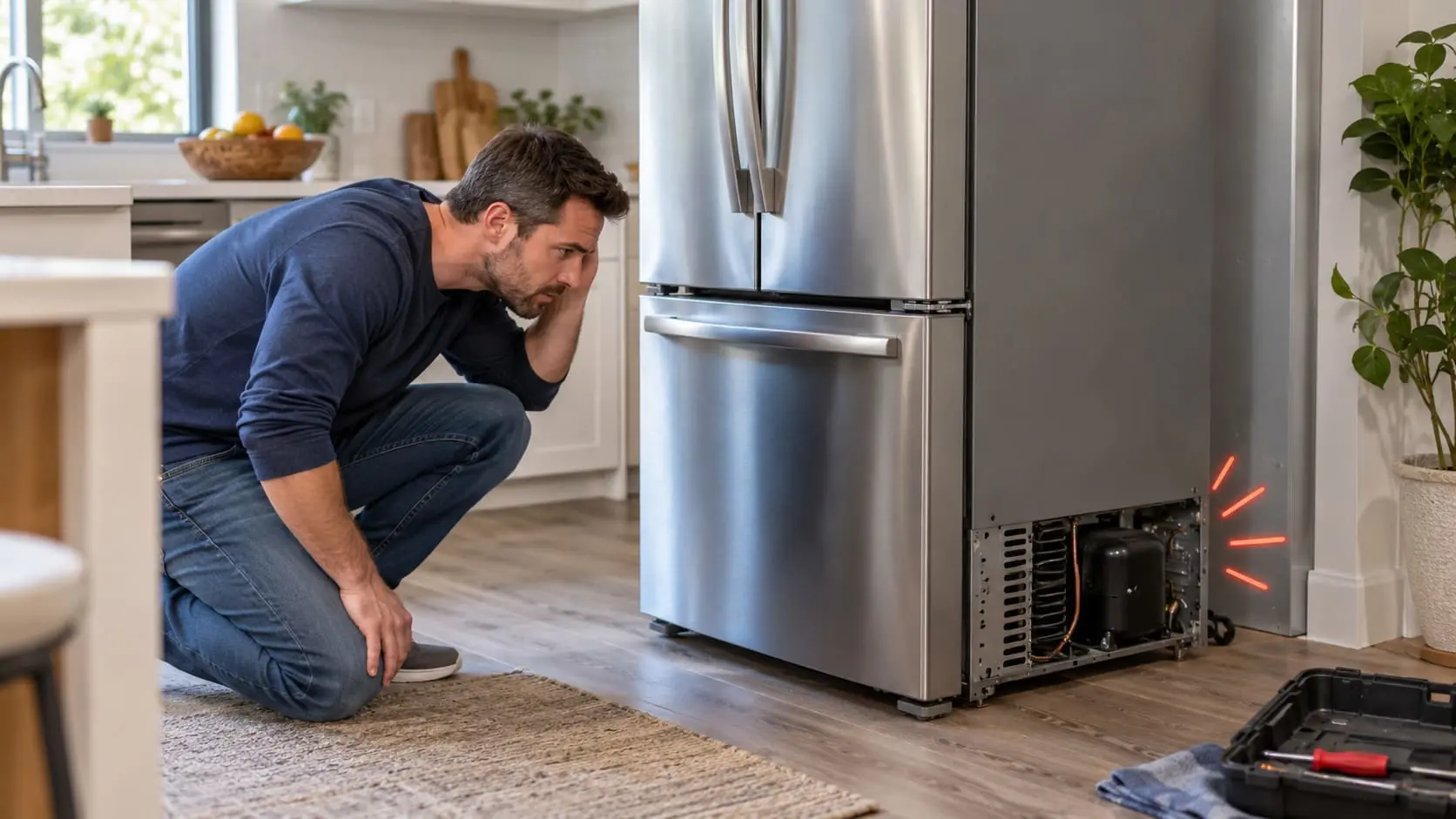
The position of the click provides critical diagnostic clues. Sounds from the rear bottom area usually involve the compressor or start relay, which are complex and hazardous components. Clicks near the ice maker suggest issues with the water inlet valve or ice mold motor. Noise from the control panel often points to electronic relay failures on the main board.
Distinguishing Normal Operation from Mechanical Failure
Not all clicks indicate problems. Modern refrigerators use solenoids and relays that naturally click during standard cycles. Recognizing the difference prevents unnecessary panic but also avoids ignoring serious warnings.
Recognizing the Rhythm of Standard Cycling
Normal operation produces occasional, soft clicks. These sounds typically occur when the thermostat engages the compressor or when the ice maker completes a cycle. The rhythm is irregular and spaced out, reflecting the appliance maintaining temperature without strain.
Identifying Red Flags: Repetitive or Loud Clicks
Repetitive, rapid, or unusually loud clicking signals mechanical distress. A continuous loop of clicks often means a component is failing to engage properly. This pattern can damage other parts if ignored. When the clicking becomes frequent or intense, it is time to call an expert to assess the risk of permanent damage.
Common Causes Behind a Refrigerator Making Clicking Noises
Identifying the source of intermittent clicking helps narrow down potential failures. Several internal components generate distinct sounds when operating or malfunctioning. Understanding these mechanisms allows for accurate diagnosis before calling for assistance.
The Ice Maker Cycle and Water Inlet Valve
The ice maker operates through a complex cycle involving water filling, freezing, and harvesting. A clicking sound often originates from the water inlet valve as it opens and closes to supply water. If the ice maker arm is obstructed by ice or misaligned, the motor may click repeatedly without completing the harvest cycle. This mechanical struggle generates a rhythmic clicking that differs from normal operation. Similarly, a failing solenoid in the water valve can produce sharp clicks as it attempts to regulate flow. Ignoring these signs may lead to water leaks or a completely non-functional ice maker, requiring professional inspection to prevent further damage to the internal plumbing or electrical connections.
Damper Assembly Issues in Dual-Door Models
Many modern refrigerators use a motorized damper to control airflow between the freezer and fresh food compartments. This component opens and closes based on temperature sensors. A clicking noise often indicates that the damper is stuck or the motor is failing. If ice accumulates in the damper housing, the motor may click as it tries to force the door open or closed. This obstruction prevents proper air circulation, leading to uneven cooling. The repetitive clicking suggests a mechanical blockage or a faulty actuator that requires specialized tools to replace safely.
Evaporator Fan Obstructions and Frost Buildup
Evaporator fans circulate cold air from the freezer to the rest of the unit. Frost buildup on the fan blades can cause them to hit the accumulated ice, producing a clicking or ticking sound with each rotation. This issue often stems from a failed defrost system, allowing ice to accumulate unchecked. The clicking becomes more pronounced as the fan struggles against the obstruction. If left unaddressed, the fan motor may burn out, leading to complete cooling failure. Professional technicians can safely defrost the unit and replace damaged fans or defrost components.
Control Board Malfunctions and Electronic Relays
The electronic control board acts as the brain of the refrigerator, managing various components through electronic relays. These relays click when they engage or disengage power to different parts of the appliance. However, a rapid or continuous clicking pattern often signals a failing control board. Surges in voltage or component wear can cause relays to stick or fail prematurely. This malfunction may prevent the compressor or fans from receiving power correctly. Diagnosing electronic issues requires multimeter testing and expert knowledge to determine if a simple board replacement will resolve the issue or if deeper electrical faults exist.
Diagnosing the Compressor and Start Relay Problems
When the clicking noise originates from the rear bottom panel, the issue likely involves the main motor system. This area houses the compressor and its starting components, which are critical for cooling. Understanding these parts helps determine if immediate professional intervention is necessary to prevent total system failure.
Understanding the Start Relay and Capacitor
The compressor relies on a start relay and sometimes a capacitor to provide the initial jolt needed to begin operation. Without this electrical surge, the motor cannot overcome internal resistance to start pumping refrigerant.
Symptoms of a Failing Start Relay
A deteriorating relay often fails to deliver adequate voltage, causing the motor to struggle. This results in a distinct clicking sound every few minutes as the system repeatedly attempts and fails to engage. The relay may also feel hot to the touch or show visible signs of burning.
The Buzz-Click Silence Pattern
Listen for a specific sequence: a low hum followed by a sharp click and then silence. This pattern indicates the motor tries to run, draws too much current, trips a safety switch, and then clicks off. The cycle repeats as the system cools down slightly, creating a rhythmic but ineffective loop.
Compressor Overheating and Thermal Protection
Internal thermal protectors cut power to the compressor if temperatures rise too high. If the start relay fails, the compressor works excessively hard, generating heat that triggers this safety mechanism. The resulting click is the protector resetting or cutting power, signaling that the motor is under severe stress.
Why a Clicking Compressor Indicates Urgent Failure
Continued operation under these conditions can permanently damage the sealed motor windings. Once the internal components fail, the entire compressor unit usually requires replacement rather than repair. Leaving the unit in this state risks expensive repairs or the need for a full refrigerator replacement. Contacting a qualified technician promptly can help assess whether a simple relay swap suffices or if the compressor has already succumbed to internal breakdown.
When to Stop DIY Attempts and Call a Professional
The Risks of Improper Refrigerator Repair
Electrical Hazards and High-Voltage Components
Refrigerators contain dangerous voltage levels that can cause severe injury or death. DIY enthusiasts frequently underestimate the risk posed by live wires and capacitors, which retain charge even when unplugged. Improper handling can lead to electrocution or accidental short circuits that damage the entire electrical system.
Avoiding Permanent Damage to Sealed Systems
The cooling system is a sealed loop operating under high pressure. Attempting to access these components without proper tools often leads to refrigerant leaks. Once the seal is broken, the unit loses its ability to cool efficiently. Repairing these leaks requires certified technicians and specialized equipment not available to the public.
Signs You Need Expert Refrigerator Repair Services
Persistent Clicking with No Cooling
If your appliance clicks repeatedly while failing to maintain cold temperatures, the compressor or start relay is likely failing. This pattern indicates a serious mechanical breakdown. Continuing to run the unit in this state can burn out the compressor permanently, turning a repair into a full replacement.
Smells of Burning Plastic or Electrical Fires
A distinct odor of melting plastic signals overheating wiring or failed components. This is a critical fire hazard that demands immediate professional intervention. Ignoring this smell can result in extensive property damage or a house fire, putting your family at significant risk.
The Value of Professional Diagnostic Tools
Accurate diagnosis requires multimeters, clamp meters, and thermal imaging cameras. These tools identify subtle voltage drops or motor inefficiencies that are invisible to the naked eye. Professionals use this data to replace only the faulty part, saving you money and ensuring the refrigerator operates at peak efficiency for years to come.
Preventative Maintenance to Reduce Unexpected Repairs
Regular upkeep extends appliance life and minimizes the likelihood of sudden breakdowns. Proactive care helps avoid the costly diagnostics associated with strange noises.
Regular Cleaning of Condenser Coils
Dust accumulation on rear coils forces the compressor to work harder. This extra strain can trigger early wear on the start relay, leading to the clicking sounds homeowners often fear. Professional cleaning ensures optimal airflow and reduces thermal stress on internal components.
Ensuring Proper Door Seals and Alignment
Worn gaskets allow cold air to escape, causing the unit to cycle more frequently. Misaligned doors prevent a tight seal, resulting in temperature fluctuations and increased mechanical noise. Experts inspect these seals to ensure the system maintains efficiency without excessive motor strain.
Monitoring Ice Production for Early Warning Signs
Unusual patterns in ice formation often signal underlying mechanical issues. A failing water inlet valve or obstructed ice maker mechanism can create repetitive clicking that precedes total component failure. Regular observation of ice quality and quantity helps identify problems before they escalate into major repairs.
You might also be interested in…