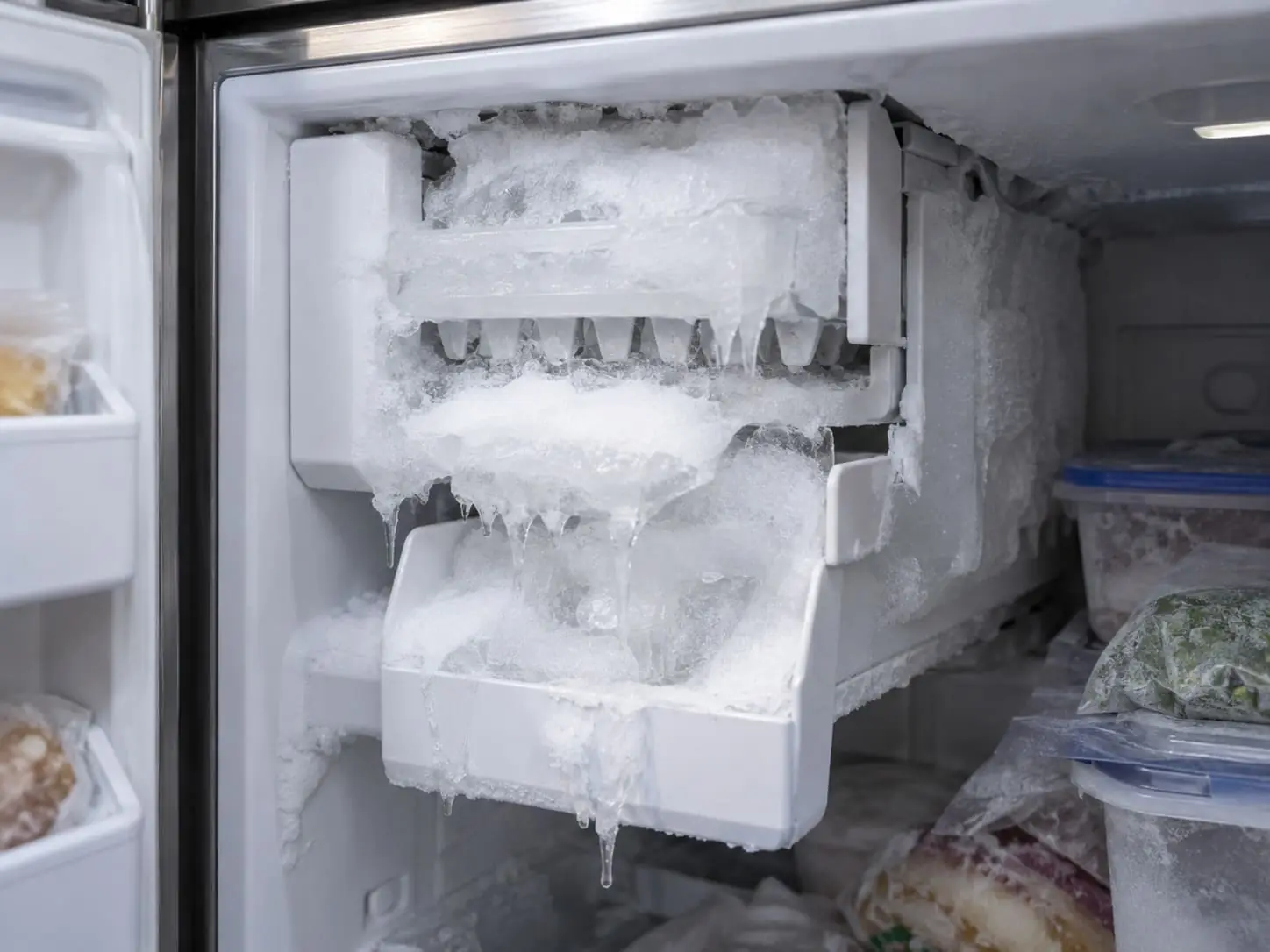
Ice makers in major US brands like Samsung and Whirlpool frequently freeze up due to complex thermal and mechanical failures. These issues stem from defective control boards, air leaks, or failing fan motors, often requiring specialized diagnostic tools to identify correctly. Attempting DIY repairs can void warranties and cause critical damage to your appliance. Many users mistakenly use heat guns, risking permanent harm. Professional intervention is often necessary to resolve underlying defects and ensure your system operates reliably without further costly errors.
Diagnosing the Root Causes of Ice Maker Freezing in Modern Refrigerators
When ice accumulation disrupts daily routines, identifying the specific failure point is crucial. Many homeowners struggle to pinpoint whether the issue stems from internal mechanics or environmental factors. Professional analysis reveals that complex thermal and electrical failures often require expert intervention to prevent further damage to your appliance.
Understanding Thermal Management Failures in Samsung and Whirlpool Models
Modern refrigerators rely on precise temperature control to function correctly. When this system falters, ice buildup becomes inevitable, often signaling deeper issues within the unit’s core components.
The Role of the Main Control Board in Defrost Cycles
The main control board acts as the brain for defrost operations. If it fails to send the correct signal, the heating elements will not activate, causing moisture to freeze on the evaporator coils. This silent failure often requires specialized diagnostic tools to identify, leaving homeowners unaware of the electrical fault until the problem becomes severe.
Air Leaks and Humidity Intrusion in the Ice Bin Housing
Humid air from the main refrigerator compartment can leak into the ice storage area. This intrusion leads to excessive frost on the bin walls, blocking the ice ejection mechanism. Sealing gaps is a common fix, but improper sealing can trap moisture, creating a cycle of constant freezing that compromises the unit’s efficiency.
Common Mechanical Obstructions and Component Wear
Physical wear and tear on moving parts frequently halts ice production. These mechanical failures are often overlooked, leading to repeated cycles of partial freezing and blockage.
The Impact of a Failing Evaporator Fan Motor
A malfunctioning fan motor stops cold air from circulating evenly. Without proper airflow, water pools in the tray instead of freezing into uniform cubes. This uneven distribution creates large ice blocks that jam the dispenser, requiring immediate mechanical attention to restore airflow.
Harvest Arm Binding and Plastic Component Degradation
The harvest arm must move freely to eject ice. Over time, plastic parts can warp or crack, causing the arm to bind. When this happens, the machine thinks the cycle is complete and stops producing ice, leaving the bin empty despite the freezing cycle running.
Water Supply Issues Leading to Ice Buildup
Improper water flow is a leading cause of ice maker failures. Inconsistent supply pressures or leaks can disrupt the freezing process, leading to abnormal ice shapes and blockages.
Valve Leaks and Insufficient Water Pressure (Below 20 PSI)
Water inlet valves must seal tightly to prevent dripping. A leaking valve allows water to pool and freeze in the tray, creating irregular ice formations. Additionally, pressure below twenty PSI prevents the tray from filling correctly, resulting in small, misshapen cubes that jam the system.
The Correlation Between Clogged Filters and System Flooding
Clogged water filters restrict flow, causing pressure drops that lead to incomplete freezing cycles. This restriction can also cause water to overflow into the reservoir, creating ice dams that block the entire ice making process.
Brand-Specific Troubleshooting: Samsung, Whirlpool, and Frigidaire Systems
Refrigerator models exhibit distinct failure patterns. Technicians must recognize these nuances to avoid misdiagnosis. Below, we outline the critical diagnostic steps for major brands.
Addressing Recurring Defects in Samsung French Door Units
Samsung units frequently suffer from dispenser heater assembly failures. This defect allows moisture to freeze at the exit point. The ice maker then backs up, causing a complete halt in production. Technicians must verify the heater’s electrical continuity using a multimeter. If the circuit is broken, the entire dispenser assembly often requires replacement. Standard reset procedures rarely fix this thermal management issue.
Diagnosing the Dispenser Heater Assembly Failure
When water trickles before ice drops, suspect the heater. The assembly prevents frost buildup around the ejector door. Without proper heating, ice blocks the chute. This blockage triggers the ice maker to stop. A professional inspection confirms whether the heater core is compromised. DIY testing often yields false negatives due to complex wiring.
When Ice Maker Replacement Is the Only Viable Solution
In many Samsung cases, the internal mold also cracks. Ice sticks to the walls, preventing proper release. This stress damages the drive gear over time. Replacement of the entire ice maker unit becomes necessary. Installing a new part ensures the seal remains intact. This prevents humidity from the main fridge compartment from entering the cold zone.
Whirlpool Refrigerator Ice Maker Reset and Maintenance Protocols
Whirlpool systems offer different reset mechanisms. Users often attempt simple resets, but these rarely address underlying mechanical faults. The reset button merely clears error codes. It does not fix worn gears or faulty sensors. Proper maintenance involves checking the drain path and ensuring the arm moves freely.
Properly Executing the Whirlpool Refrigerator Ice Maker Reset
Pressing the reset button initiates a self-test. The unit should cycle through harvest and fill modes. If it stalls, a deeper issue exists. Persistent errors indicate a failing control board or water valve. Repeated resetting without professional diagnosis wastes time and risks further damage.
Navigating Whirlpool Ice Maker Replacement Procedures
Removing the unit requires specific tools. Incorrect handling can snap the plastic housing. The new unit must align perfectly with the water inlet. Misalignment causes leaks and ice buildup. Certified technicians ensure proper torque on mounting screws and correct electrical connections.
Mitigating Issues with Crushed Ice Mode and Drainage
Crushed ice mode generates excess meltwater. If the drain is clogged, water pools under the bin. This causes ice to fuse to the tray. Regular cleaning of the drain tube is essential. However, internal clogs often require disassembly. Professional service ensures the drainage path remains clear and functional.
Resolving Frigidaire Ice Maker Reset Button Malfunctions
Frigidaire models use a dedicated reset button on the unit. This button controls the harvest cycle. When it fails, the ice maker stops producing. Diagnosing the button involves checking for mechanical binding. The arm may be stuck in the stop position.
Identifying When the Frigidaire Ice Maker Reset Button Fails
A stuck button prevents the cycle from starting. Technicians inspect the lever for debris or plastic deformation. If the switch does not click, the mechanism is broken. Replacement of the reset module or the entire assembly is often required.
Sensor Errors vs. Mechanical Jamming in Frigidaire Units
Electronic sensors can report errors without physical blockage. A failing temperature sensor may prevent the harvest cycle. Conversely, physical jamming from ice chunks stops the arm. Determining the cause requires separating electrical diagnostics from mechanical inspection. Only a professional can accurately distinguish between these two distinct failure modes.
Why DIY Fixes Often Fail and Risk Further Damage
Homeowners frequently attempt repairs, but amateur interventions often worsen appliance failures. Attempting complex fixes without proper expertise can lead to severe hardware damage and safety hazards. Professional assessment remains the only reliable path to restoring unit functionality.
The Dangers of Improper Defrosting Techniques
Why Using Heat Guns or Hair Dryers Causes Critical Damage
Applying direct heat sources like hair dryers melts plastic guides and compromises electrical seals. This practice risks permanent damage to sensitive components and creates fire hazards. Safe thawing requires patience and controlled, indirect cooling methods.
The Risk of Voiding Warranties with Unauthorized Modifications
Unauthorized modifications instantly void manufacturer warranties. Service providers reject claims involving tampered parts. Consumers face full replacement costs when improper adjustments trigger catastrophic failures. Professional diagnostics preserve coverage and ensure safe operation.
Limitations of Consumer-Grade Repair Tools and Knowledge
Why Multimeter Diagnostics Require Professional Calibration
Consumer multimeters lack the precision needed for sensitive control board diagnostics. Incorrect readings lead to wrong part replacements. Certified technicians use calibrated equipment to pinpoint exact electrical faults. Accurate diagnosis prevents unnecessary expenditure on defective components.
The Complexity of Replacing Control Boards and Valves
Control boards and water valves require precise installation procedures. Misaligned connections cause immediate system failures. Replacing these components demands specialized knowledge of electrical flow and pressure thresholds. Incorrect installation results in recurring ice buildup and water leaks.
The True Cost of Ignoring Persistent Ice Maker Issues
Preventing Water Damage to Kitchen Cabinets and Flooring
Persistent leaks compromise wooden cabinetry and damage flooring materials. Water intrusion causes mold growth and structural instability. Early professional intervention prevents costly restoration projects. Ignoring minor leaks leads to extensive property damage that exceeds repair costs.
Avoiding Irreversible Damage to the Refrigerator’s Cooling System
Ignoring ice buildup strains the entire cooling system. Compressor failure becomes likely when airflow is restricted. Restoring full functionality requires comprehensive system checks. Delaying professional service risks complete unit failure and expensive replacement.
When to Call a Professional: Signs You Need Expert Appliance Repair
Repeated ice maker failures often signal deeper mechanical or electrical issues that exceed standard consumer repair capabilities. Ignoring these signs can lead to costly water damage or permanent compressor failure, making professional assessment crucial for long-term appliance health and performance.
Indicators of a Systemic Design Flaw vs. User Error
Recognizing Patterns in Repeated Component Failures
Frequent replacement of identical parts like control boards or water valves suggests a fundamental design defect rather than isolated user mistakes. If a newly installed ice maker fails within weeks, the root cause likely lies in thermal management or housing integrity, requiring expert diagnostic tools to identify.
Determining If Your Unit Is Covered Under Extended Warranty
Many modern refrigerators, particularly Samsung and Whirlpool models, offer extended coverage for recurring ice production issues. A certified technician can verify if your specific model falls under manufacturer recall programs, potentially covering labor and parts that would otherwise incur significant out-of-pocket expenses.
The Importance of Certified Technician Intervention
Ensuring Correct Pressure and Electrical Flow Verification
Professional diagnostics involve precise multimeter readings to confirm adequate voltage supply to solenoid valves and proper water pressure levels. Incorrect electrical signals often prevent defrost heaters from activating, leading to continuous ice accumulation that standard troubleshooting cannot resolve.
Securing Genuine OEM Parts for Long-Term Reliability
Aftermarket components frequently lack the durability required for high-cycle ice production environments. Certified technicians use Original Equipment Manufacturer parts that meet strict engineering specifications, ensuring proper fit and function while maintaining warranty validity for the entire appliance system.
Scheduling a Comprehensive Diagnostic Service
What to Expect During a Professional Appliance Inspection
Technicians conduct thorough inspections of the ice mold, evaporator fan, and harvest mechanism to pinpoint exact failure points. This detailed analysis prevents unnecessary part replacements and addresses hidden issues like air leaks or condenser blockages that contribute to operational inefficiencies.
How to Prepare Your Home for an Appliance Repair Visit
Clearing access around the refrigerator ensures technicians can safely move the unit for comprehensive internal examinations. Providing maintenance records and model numbers allows for quicker identification of known issues, streamlining the repair process and reducing overall service time significantly.
You might also be interested in…